
Deck structural repair in Fort Collins may begin with a symptom that looks minor: one soft board, a railing that moves or a gap near the house. Sometimes the problem is limited to the surface. Sometimes it points to moisture, loose connections or framing that is no longer carrying loads as intended.
You do not need to diagnose the cause yourself. You do need to notice changes and treat significant movement seriously. If a deck feels unstable, sags visibly or has broken structural members, stop using the affected area until it has been assessed.
Surface Wear Is Different From Structural Movement
Faded stain, light checking and ordinary weathering can often be maintenance concerns. Structural warning signs involve the way the deck supports people and transfers loads to posts, beams, footings and the house.
Pay attention when the deck feels different underfoot, not just when it looks worn. A springy area, new slope or rail that moves at its base can provide more useful information than color loss on the boards.
Warning Signs That Deserve a Closer Look
- Posts that lean, twist or no longer sit squarely on their supports.
- Beams or joists with deep cracks, rot, crushing or visible sagging.
- Railings that move where they connect to the deck frame.
- Fasteners that are heavily corroded, missing or pulling out.
- A widening gap where the deck meets the house.
- Soft wood around stairs, landings, posts or the ledger connection.
- Footings that have shifted, heaved or settled unevenly.
One sign does not tell the whole story. The location, spread and cause determine whether a local repair is reasonable.
Where the Deck Meets the House Matters
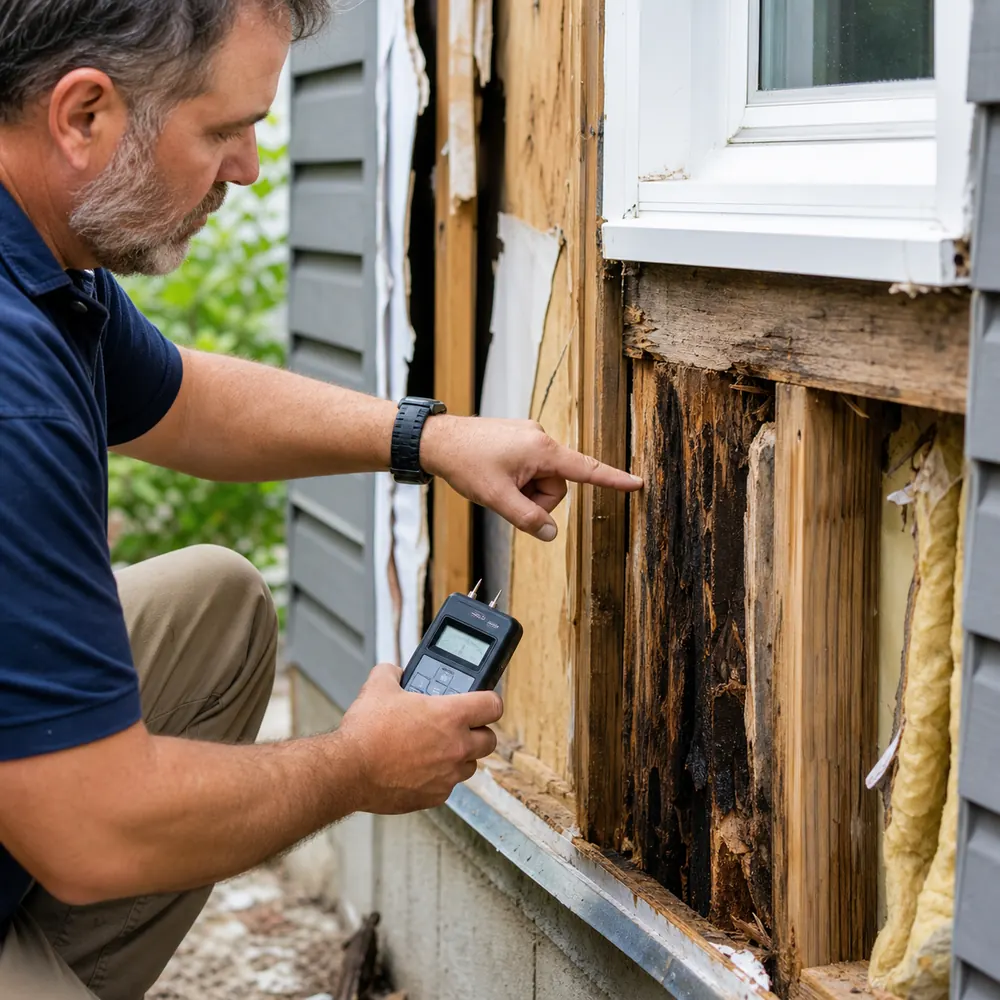
The ledger area is one of the most important connections on an attached deck. It must transfer loads while keeping water out of the wall assembly. Failed flashing, loose fasteners or rot behind the ledger can affect both the deck and the exterior wall.
Clues may include staining below the connection, soft siding or trim nearby, interior moisture marks or a gap that changes when weight is placed on the deck. These symptoms deserve a connected review of the deck, siding and framing.
Colorado Weather Can Expose Weak Points
Snow loads, freeze-thaw cycles, intense sun and moisture can work on a deck in different ways. Wood expands and contracts. Fasteners corrode. Soil movement can change footing support. Water trapped around a connection can damage material that still looks acceptable from the outside.
Routine checks are especially useful after a hard winter, a severe storm or any event that caused impact near the deck. Compare current photos with earlier ones if you have them.
Changes that appear quickly deserve attention even when the finish still looks tidy.
What a Practical Deck Review Should Cover
A useful inspection follows the load path. That means looking at boards and rails, then joists, beams, posts, footings and the connection to the building. The reviewer should also consider drainage, flashing and nearby siding where water could enter.
Before requesting an estimate, share photos of the full deck and close-ups of the concern. Mention when the movement began, whether it changes with weather and if any prior repair has been made.
Repair the Cause, Not Only the Visible Symptom
Replacing one soft board may be enough when the framing below is dry and sound. It is not enough when trapped water or a failed connection caused the damage. Northstar Exterior can help define the affected area and explain whether a focused deck repair or a broader structural scope makes more sense.
Learn about deck services in Fort Collins, explore structural repair options, or contact Northstar Exterior with photos of the concern.